Owning a pool is like having your own slice of paradise, but it comes with its fair share of responsibilities. One crucial responsibility is ensuring safety, especially if you have kids or pets wandering around. How do you keep an eye on your pool when you can't always be there? Enter pool alarms, your new best friend in pool safety. But how do you install one? Let's dive into the nitty-gritty of pool alarm installation.

Understanding Pool Alarms
Before you get your hands dirty with installation, it's essential to understand what pool alarms are and how they work. Pool alarms are devices designed to alert you when someone or something enters the pool unexpectedly. They come in various types, including surface wave alarms, subsurface disturbance alarms, and even wearable alarms for kids. Choosing the right type is crucial, and that depends largely on your specific needs.
- Surface Wave Alarms: These float on the water and detect surface movement.
- Subsurface Disturbance Alarms: Installed below the water surface, these detect changes in water pressure.
- Perimeter Alarms: These use laser or infrared beams around the pool's perimeter.
- Wearable Alarms: Ideal for children, these sound an alarm when submerged.
Choosing the Right Pool Alarm
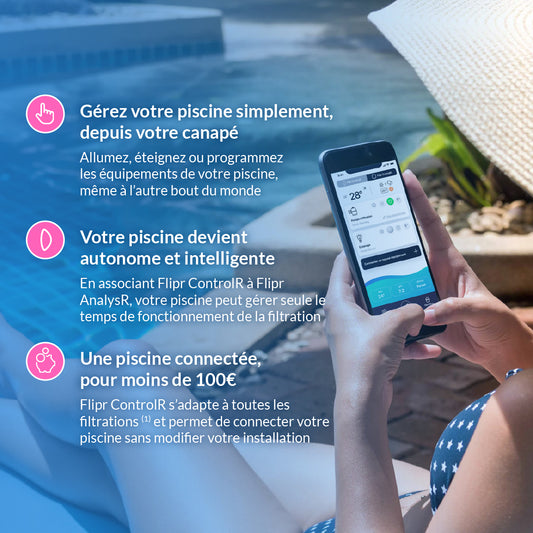
So, how do you choose the right pool alarm? Consider your pool's size, the usual traffic around it, and who uses it. For instance, if your pool is often used by kids, a wearable alarm might be a smart choice. On the other hand, if you have a large pool, a subsurface disturbance alarm might provide the best coverage. Remember, the goal is to enhance safety, not to complicate your life. Devices like Flipr can help you monitor your pool's conditions, complementing your pool alarm for added security.
Installing Your Pool Alarm
Once you've selected your alarm, it's time to install it. While it might sound like a daunting task, with a little patience, you can do it yourself. Here’s how to get started. First, read the manufacturer's instructions thoroughly. This might seem like common sense, but you'd be surprised how many people skip this step. Next, gather your tools: a screwdriver, batteries if needed, and perhaps a cup of coffee to keep your spirits high.
Step-by-Step Installation Process
Start by placing the alarm at the recommended location, which is usually on the pool's edge or in the water for subsurface models. Secure it firmly using screws or other provided fixtures. For surface wave alarms, let them float and ensure they are activated. Test the alarm by waving your hand in the water or submerging a wearable unit. If it beeps, congrats! You're all set. Remember, regular maintenance checks are crucial to ensure your alarm remains in tip-top shape.
Conclusion
Installing a pool alarm might seem like a small task, but it plays a massive role in ensuring the safety of your loved ones. Whether you opt for a surface wave or a wearable alarm, the peace of mind it offers is invaluable. So, take a moment, install that alarm, and enjoy your pool knowing you've added an essential layer of protection. After all, safety first, fun second!
References
- https://en.wikipedia.org/wiki/Uniform_Swimming_Pool%2C_Spa_and_Hot_Tub_Code
- https://www.scottcountyiowa.gov/sites/default/files/attachments/pages/P-S%20_Document_Checklist_p.1.pdf
- https://www.epa.gov/system/files/documents/2023-11/ws-commercial-bmp-watersenseatwork_section5.3_commercialpoolsandspas.pdf?utm_source=chatgpt.com