Owning a pool is a joy, but it also comes with responsibilities. One of the most critical is ensuring the safety of your loved ones. A pool alarm can provide peace of mind, but with so many options out there, how do you choose the right one? In this guide, we'll dive into the essentials you need to consider when selecting a pool alarm, so you can enjoy your pool worry-free.

Understanding Pool Alarm Types
Pool alarms come in various types, each designed to suit different needs and preferences. From surface wave sensors to wearable alarms for children, the selection is vast. But which one is right for your pool? Understanding the options can save you time and stress. Let's break down the most common types to help you make an informed decision.
- Surface Wave Alarms: These detect disturbances on the water's surface. Ideal for in-ground pools, they're less effective in windy conditions.
- Subsurface Alarms: Positioned below water, these alarms sense changes in water pressure. They're reliable but can be more expensive.
- Perimeter Alarms: Utilizing infrared beams around the pool's perimeter, these alert you when a beam is crossed. Perfect for pools with clear boundaries.
- Wearable Alarms: Designed for children or pets, these send an alert if they accidentally enter the pool. A great option for families with young kids.
Why Surface Wave Alarms Might Be Your Best Bet
Surface wave alarms are a popular choice for many pool owners. They're easy to install and usually budget-friendly. If you're looking for a straightforward solution to monitor pool activity, this might be your go-to option. However, they can be sensitive to environmental factors like wind or rain, so consider your local weather conditions before making a decision.
Key Features to Consider
When evaluating pool alarms, it's important to look beyond the type and consider the features that will best suit your needs. From sensitivity settings to remote alerts, the right features can enhance your pool safety strategy. What should you keep an eye out for?
The Importance of Sensitivity Settings
Sensitivity settings can make or break a pool alarm's effectiveness. A model with adjustable sensitivity allows you to tailor the alarm to your specific needs, reducing false alarms without compromising safety. This feature is particularly useful in areas with frequent wildlife activity or unpredictable weather. Remember, a pool alarm should be a reliable partner in safety, not an annoyance.
Conclusion
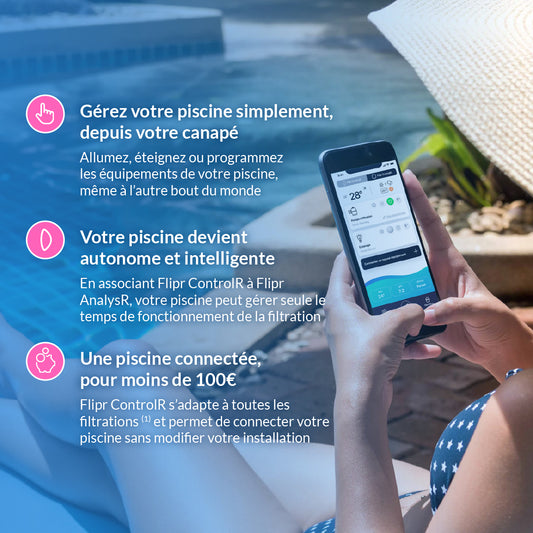
Choosing the right pool alarm involves understanding your pool environment, considering the types available, and focusing on key features like sensitivity settings. Whether you opt for a surface wave alarm or a high-tech perimeter system, the goal is to enhance safety and peace of mind. For those looking for a solution that integrates seamlessly with other smart pool technologies, devices like Flipr can complement your safety setup, offering a holistic approach to pool management. After all, a safe pool is a happy pool!