Dreaming of transforming your backyard into a personal paradise with a sparkling new pool? Fantastic! However, before you dive in, it's essential to consider the best way to finance this exciting venture. With several pool financing options available, how do you choose the one that suits your needs and budget? Let's explore the various avenues you can take to make your pool dream a reality.

Understanding Different Pool Financing Options
Financing a pool isn't a one-size-fits-all situation. From personal loans to home equity lines of credit, the choices can seem overwhelming. But don't worry; we're here to break it down for you. Each option comes with its unique benefits and drawbacks. Whether you value low-interest rates, flexible repayment terms, or minimal upfront costs, there's a financing solution out there tailored just for you.
- Personal Loans: Quick and straightforward, personal loans are a popular choice for pool financing. With fixed interest rates and set repayment terms, they provide predictability.
- Home Equity Loans: If you've built up enough equity in your home, tapping into it can be a smart move. These loans often offer lower interest rates, but remember, your home is the collateral.
- Home Equity Lines of Credit (HELOC): Similar to home equity loans but more flexible, HELOCs allow you to borrow only what you need, when you need it.
- Cash-Out Refinancing: This involves refinancing your mortgage for more than you owe and using the extra cash for your pool. Be cautious, as it resets your mortgage terms.
- Dealer Financing: Some pool dealers offer financing options directly, which can be convenient but may come with higher interest rates.
Personal Loans vs. Home Equity Options
So, how do personal loans stack up against home equity options? Personal loans are excellent for those who need funds quickly and don't want to risk their home. They require no collateral, but interest rates might be higher compared to home equity loans. On the flip side, home equity options often offer lower interest rates and potential tax benefits. However, they require you to have substantial equity in your home and come with the risk of foreclosure if you default. It's a choice between speed and security—what matters more to you?
Factors to Consider When Choosing Pool Financing
What should you prioritize when comparing financing options? Start with interest rates and loan terms; these significantly impact your monthly payments and the overall cost of the loan. Also, consider the application process—how much paperwork are you willing to handle? Don't forget to factor in any additional fees or potential penalties for early repayment. A little detective work now can save you a lot of stress later.
Making the Right Choice for Your Lifestyle
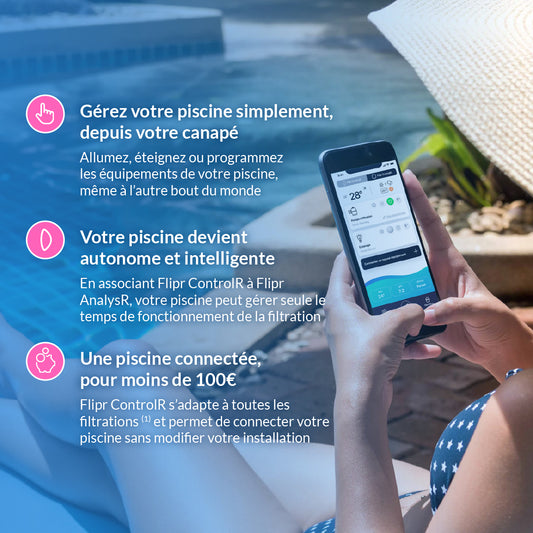
How does your lifestyle influence your financing choice? If you plan to move soon, a longer-term loan might not be wise. Conversely, if you're putting down roots, a home equity loan could be beneficial. Remember to keep an eye on innovations that can help maintain your pool cost-effectively. For instance, smart pool solutions like Flipr can optimize your pool's chemical usage, saving you money in the long run—just something to keep in mind when planning your budget.
Conclusion
Choosing the right pool financing option can seem daunting, but with a little research and introspection, you can find the perfect fit for your financial situation and lifestyle. Whether you prioritize speed, flexibility, or low costs, there's a solution out there to help you make a splashy addition to your home without drowning in debt. So, grab your goggles and get ready to turn your backyard into the oasis you've always dreamed of!
References
- https://ke.usembassy.gov/wp-content/uploads/sites/5/2024/07/Swimming-Pool-Operations-and-Maintenance-Guide-Attachment-2.pdf
- https://www.floridahealth.gov/environmental-health/swimming-pools/index.html
- https://www.scottcountyiowa.gov/sites/default/files/attachments/pages/P-S%20_Document_Checklist_p.1.pdf