Owning a pool is like having a permanent vacation spot right in your backyard. But, maintaining that crystal-clear water takes more than just a bit of elbow grease. It requires a balanced blend of science and art—specifically, the art of choosing and using the right chemical products. Ever wondered why your neighbor's pool always looks like it's ready for a magazine cover shoot? Let’s dive into the world of pool chemicals and uncover the secrets to pristine waters.

Understanding Pool Chemical Essentials
The magic of maintaining a pool doesn't just happen overnight. It requires a careful selection of chemical products that work in harmony to ensure your pool remains safe and inviting. From sanitizers to algaecides, each product plays a crucial role in keeping your pool water healthy. But what exactly do you need, and why?
- Chlorine: The superhero of pool sanitizers, chlorine keeps bacteria and algae at bay. It's available in various forms like granules, tablets, and liquid.
- pH Balancers: Think of these as your pool’s mood stabilizers. They help maintain the ideal pH level, which should be between 7.2 and 7.8.
- Algaecides: These prevent and control algae growth, ensuring your pool doesn’t turn into a swamp.
- Shock Treatments: When your pool needs a sudden boost of cleanliness, shock treatments come to the rescue by quickly killing off contaminants and bacteria.
- Cyanuric Acid: Often called a chlorine stabilizer, it protects chlorine from being broken down by the sun, extending its effectiveness.
The Role of Chlorine Stabilizers
Cyanuric acid, the unsung hero of pool maintenance, acts as a sunscreen for chlorine. Without it, the sun can degrade chlorine levels rapidly, leaving your pool vulnerable to contaminants. Think of it like applying sunscreen before a day at the beach. Just as you’d reapply sunscreen to protect your skin, maintaining proper cyanuric acid levels ensures your chlorine remains effective. Aim for a cyanuric acid level between 30 and 50 ppm for optimal performance.
Advanced Pool Care Tips
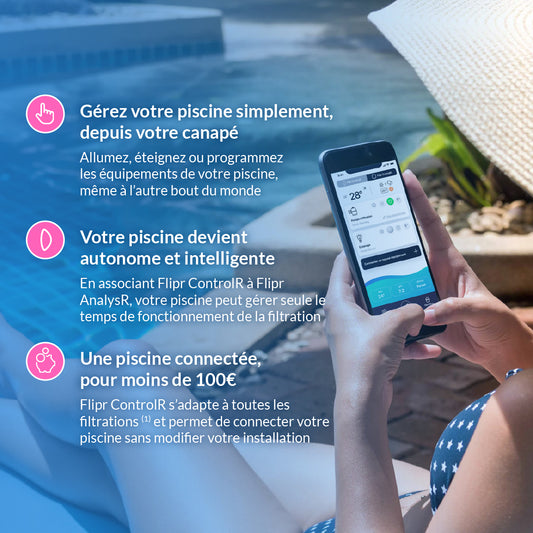
While understanding the basic chemicals is crucial, mastering pool care involves a few more advanced strategies. Regular testing and adjustment of chemical levels can prevent minor issues from becoming major headaches. But what if there was a way to simplify this process? Enter Flipr, a handy tool that can monitor your pool’s chemical levels and send real-time updates to your smartphone. Keeping your pool in top shape has never been easier.
Troubleshooting Common Chemical Issues
Even with the best intentions, pool chemical issues can arise. Is your pool water cloudy or are you noticing a strong chlorine smell? These could be signs of imbalanced chemicals. For instance, cloudy water often indicates a pH imbalance or insufficient filtration. A strong chlorine smell, contrary to popular belief, can mean there's not enough chlorine and an abundance of chloramines. Regular testing and adjustments are key, and sometimes, a little help from technology can save the day.
Conclusion
Achieving that sparkling, magazine-worthy pool is within reach when you understand the role of each chemical product. By keeping a close eye on your pool's chemistry and using tools like Flipr to assist, you can enjoy a clean, safe, and inviting pool all season long. So, grab your sunscreen, jump in, and let the good times roll—your perfect backyard escape awaits!