Have you ever wondered why your pool sometimes feels more like a swamp than a serene oasis? Creating a balanced ecosystem in your pool is crucial for maintaining crystal-clear water and ensuring a healthy swimming environment. But how do you achieve this delicate balance, and what are the key elements involved?

Understanding the Basics of Pool Ecosystems
A pool isn't just a giant tub of water; it's a living, breathing ecosystem. Just like a natural pond or lake, your pool needs a balance of physical, chemical, and biological elements to stay healthy. These elements include proper water circulation, chemical balance, and a filtration system that works efficiently. When these components are out of sync, you might face issues like algae growth, cloudy water, or unpleasant odors.
- Circulation: Ensure your pool pump is running for at least 8-12 hours a day to keep the water moving and well-oxygenated.
- Chemical Balance: Regularly test and adjust the pH, alkalinity, and chlorine levels to prevent harmful bacteria and algae.
- Filtration: Clean your filter regularly to remove debris and particles that could cloud your water.
The Role of Technology in Pool Maintenance
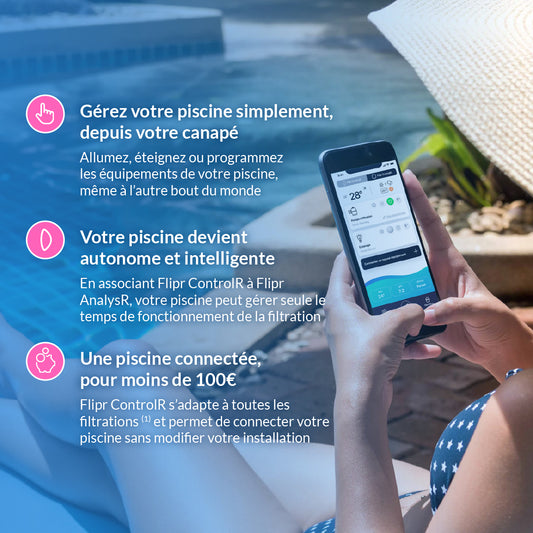
In this digital age, technology can be your best friend in maintaining a balanced pool ecosystem. Innovative solutions like Flipr can help automate water testing and provide you with real-time data on your pool's chemical levels. Imagine sipping a cool drink poolside while your smartphone alerts you of any necessary adjustments. It's like having a personal pool assistant, minus the small talk!
Common Challenges and How to Overcome Them
Even with the best intentions, pool owners often face challenges in maintaining a balanced ecosystem. Algae blooms, for example, can appear out of nowhere, turning your pool into a murky mess. Ever tried to tackle an algae invasion? It's not fun. The key is prevention through proper chemical maintenance and adequate filtration.
Practical Tips for a Healthier Pool
One practical tip for keeping your pool healthy is to establish a routine maintenance schedule. Regularly check your pool's chemical levels and adjust them as needed. Don't forget to shock your pool weekly, especially after heavy use or rainstorms. Another tip is to keep an eye on water levels, as evaporation can concentrate impurities, disrupting the chemical balance.
Conclusion
Creating a balanced ecosystem in your pool doesn't have to be a daunting task. By understanding the basics and leveraging technology, you can ensure your pool remains a sparkling oasis. Remember, a little prevention goes a long way—so grab your sunhat, relax, and let your pool's ecosystem take care of the rest!