Maintaining a perfect pool is like finding the right balance between a good party and a quiet retreat. You want your pool to be inviting, clear, and safe for everyone to enjoy. To achieve this, regular water testing is crucial. But with so many options available, how do you decide between digital testing and traditional test strips? Let’s dive into the pros and cons of each method to help you make an informed decision.

The Basics of Pool Water Testing
Whether you're a seasoned pool owner or a newbie, understanding the importance of regular water testing is key. Regular testing helps keep chemicals balanced, ensuring the water is safe and pleasant to swim in. But when it comes to choosing between digital testers and test strips, things can get a bit murky. Both methods have their champions and skeptics. So, what exactly are the differences?
- Accuracy: Digital testers generally provide more precise readings, while test strips can be influenced by lighting and user interpretation.
- Ease of Use: Test strips are quick and straightforward but require a keen eye for color matching. Digital testers, like the Flipr, simplify the process with clear digital readouts.
- Cost: Test strips are typically cheaper upfront, but digital testers might save money over time with fewer retests.
- Speed: Test strips deliver near-instant results, whereas digital testers might take a few moments longer.
- Maintenance: Digital testers need occasional calibration and battery replacements, whereas test strips require only a steady hand.
Accuracy in Pool Testing
When it comes to accuracy, digital testers often come out on top. They can measure a range of parameters like pH, chlorine, and alkalinity with precision. For example, the Flipr digital tester offers accurate readings that can help prevent those frustrating algae blooms or skin irritations. Test strips, while reliable in many cases, can sometimes leave room for error due to subjective color interpretation. Have you ever tried matching a strip to a chart under varying sunlight? It’s like trying to choose the perfect shade of blue for your walls—tricky!
Convenience and User Experience
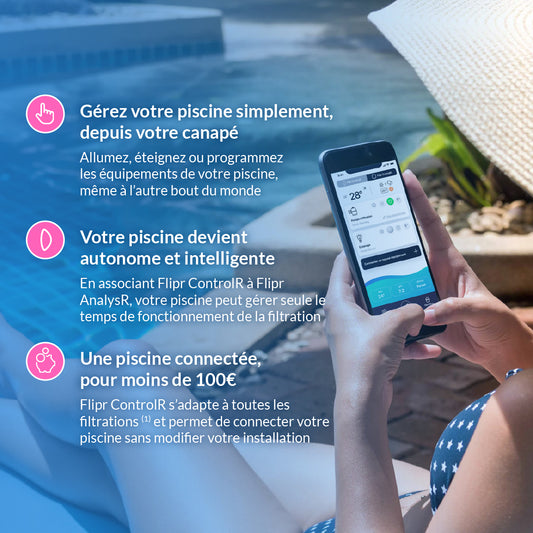
Let’s be honest: who doesn't love a bit of convenience, especially when it comes to pool maintenance? Test strips are the epitome of quick and easy. Dip the strip, wait a few seconds, and compare colors. Done! However, digital testers offer a more modern solution, especially for tech-savvy owners. Devices like Flipr connect to your smartphone, providing real-time updates and detailed analysis. Imagine lounging by the pool with a cocktail, smartphone in hand, knowing your water chemistry is just a tap away.
Cost Considerations
Cost is often a deciding factor. Test strips are budget-friendly, making them ideal for casual pool owners. However, if you’re looking for long-term savings and fewer chemical surprises, investing in a digital tester might be wise. Digital testers reduce the risk of incorrect readings and unnecessary chemical adjustments, which can add up over time. Plus, they eliminate the guesswork and frequent runs to the pool store, which is always a win.
Conclusion
Choosing between digital and test strip pool testing ultimately depends on your priorities—be it accuracy, convenience, or cost. If you prefer precision and tech integration, a digital tester like the Flipr could be your pool's best friend. For those who value simplicity and cost-efficiency, trusty test strips might do the trick. Regardless of your choice, regular testing is crucial for a safe and enjoyable swimming experience. So, grab your preferred testing tool and keep your pool sparkling!