Maintaining a pristine swimming pool is no small feat. With an array of chemical balances to keep in check, it’s no wonder pool owners are turning to digital water testers for a little extra help. But are these gadgets worth the investment? Let's dive in to explore the advantages and disadvantages of these high-tech tools.

The Upsides of Using Digital Water Testers
Digital water testers have gained popularity for a reason. They offer a modern twist on pool maintenance that many find hard to resist. One of the most significant benefits is accuracy. Unlike traditional methods that rely on color matching, digital testers provide precise numerical results. This accuracy is crucial for maintaining the delicate balance of your pool's pH levels, chlorine concentration, and other chemical components.
- Ease of Use: No more squinting at color charts. Simply dip, wait, and read the digital display.
- Time-Saving: Fast readings mean you can spend less time testing and more time enjoying your pool.
- Data Storage: Some models can store previous readings, helping track changes over time.
- Multi-Parameter Testing: Many devices can test multiple parameters at once, including alkalinity and calcium hardness.
The Convenience Factor
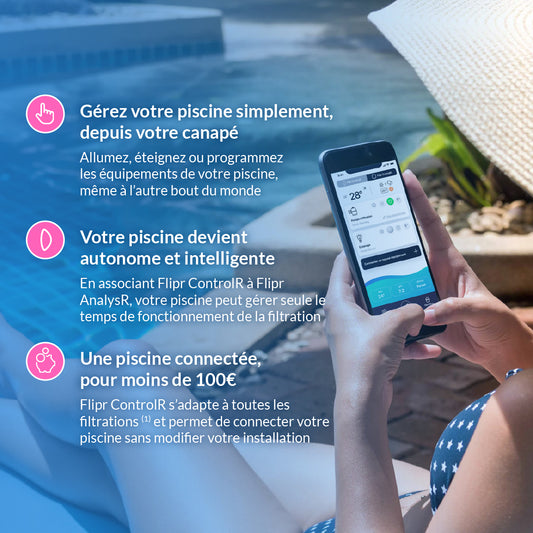
Imagine this: You're hosting a pool party, and you want to quickly ensure the water is perfect. With a digital water tester, it’s as simple as a quick dip. No more fumbling with reagent bottles or test strips. Devices like Flipr offer streamlined solutions that can even sync with your smartphone, providing updates and alerts directly to your pocket. Now that's convenience!
The Downsides of Digital Water Testers
Of course, every silver lining has its cloud. While digital water testers are undoubtedly convenient, they come with their own set of challenges. The initial cost is often higher compared to traditional testing kits, which can be a deterrent for budget-conscious pool owners. Additionally, digital devices require careful handling and maintenance to ensure accurate readings.
The Cost Consideration
Let's be honest, no one likes unexpected expenses. Digital water testers can be pricey upfront, and some models require recurring costs for calibration solutions or replacement sensors. For instance, if you’re only a casual pool user or if your pool is closed for half the year, you might wonder if the investment is justified. However, if precision and ease are your top priorities, the long-term benefits might outweigh the initial costs.
Conclusion
In the end, choosing the right water testing method boils down to your personal preferences and pool maintenance goals. Digital water testers offer accuracy and convenience that can make pool care a breeze, especially for tech-savvy owners. However, they also require a financial commitment and a bit of upkeep. So, whether you opt for a digital tester or stick with traditional methods, remember that the goal is a safe, sparkling oasis where you can relax and enjoy. And if you ever feel overwhelmed, solutions like Flipr are there to lend a helping hand—or fin!