Choosing the right pool filter sand can be as puzzling as deciding whether pineapple belongs on pizza. With so many options on the market, how do you know which sand will keep your pool sparkling clean? It’s not just about grabbing the first bag you see on the shelf. The right choice can save you time, money, and a whole lot of frustration. So, let’s dive into the world of pool filter sand and help you make the best choice for your aquatic oasis.

Understanding Pool Filter Sand
Pool filter sand is not your average sandbox sand. It's a specially graded material designed to trap dirt and debris, keeping your pool water pristine. Regular sand wouldn't cut it because it lacks the consistency and size needed to capture small particles. But what makes one type of pool filter sand better than another? We’ll explore that and more to ensure your pool parties remain the talk of the neighborhood.
- Grain Size: Look for sand with a grain size of 0.45 to 0.55 millimeters. This size is perfect for capturing debris without clogging up your filter.
- Material: Opt for 100% pure silica sand. It's durable and effective at filtering out dirt.
- Brand Reputation: Choose a brand with good customer reviews and a reputation for quality.
- Compatibility: Ensure the sand is recommended for your specific pool filter type.
- Price vs. Quality: Don’t be tempted by the cheapest option. The right sand can improve filter efficiency and longevity.
The Importance of Grain Size
Why does grain size matter? Imagine trying to catch a fly with a tennis racket. That’s what using the wrong sand size feels like in your filter. Sand that’s too coarse will allow debris to pass right through, while sand that’s too fine can clog the filter. A grain size of 0.45 to 0.55 millimeters strikes the perfect balance, efficiently trapping dirt while maintaining water flow. It’s like Goldilocks finding her perfect porridge.
Selecting the Right Sand for Your Filter Type
Not all pool filters are created equal, and neither is the sand they require. Whether you have a sand, cartridge, or diatomaceous earth filter, using the wrong sand can be like putting diesel in a car that runs on unleaded. It’s crucial to match your filter with the appropriate sand type. Manufacturers often provide recommendations on the best sand to use, so don't skip the manual—it's more useful than you’d think!
Avoiding Common Pitfalls
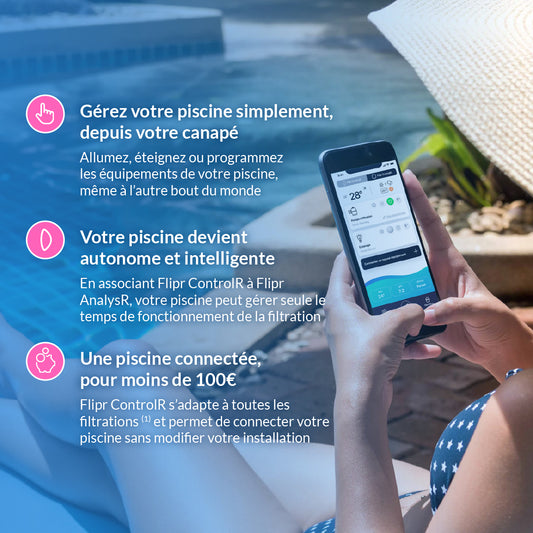
A common mistake is ignoring the compatibility of pool filter sand with your filter system. Using incompatible sand can lead to inefficient filtering and even damage to your system. Another pitfall is not replacing the sand regularly. Over time, the sand becomes worn and less effective, akin to trying to mop up a spill with a wet rag. For those who prefer a tech-savvy approach to maintenance, consider using a pool management app like Flipr. It can remind you when it's time to replace the sand and even help track the performance of your pool equipment.
Conclusion
Choosing the best pool filter sand doesn't have to be a daunting task. By understanding the importance of grain size, material, and compatibility, you can keep your pool running smoothly and looking great. Remember, the right sand not only improves the efficiency of your filter but also enhances your pool enjoyment. So next time you dive into your crystal-clear pool, you can smile knowing you made the right choice—perhaps even while munching on a slice of pineapple pizza!