Choosing the right baby pool can feel a bit like finding the perfect pair of shoes for a toddler—there’s a lot to consider, and you want it just right. Does it fit your space? Is it safe and comfortable for your baby? Is there room for a few floating toys? The world of baby pools is vast, and finding the right size and capacity can make all the difference in your summer fun.

Understanding Baby Pool Sizes
Baby pools come in a variety of sizes, from tiny inflatable options perfect for a balcony to larger ones that can be the centerpiece of your backyard. The key is to match the pool size with your available space and your child’s needs. A small pool can be an excellent fit if you’re looking for a quick splash zone that’s easy to set up and take down. For those with a bit more room, larger pools can offer more versatility and play options. Remember, the goal is to create a safe, fun environment for your little one to enjoy the water.
- Tiny Pools (Under 3 feet): Ideal for young infants, offering just enough space for a gentle splash while being easy to manage.
- Small Pools (3-5 feet): Perfect for toddlers who are a bit more mobile and can handle a little more water and room to play.
- Medium Pools (5-7 feet): Great for families with multiple young children or if you occasionally want to join the fun.
- Large Pools (Above 7 feet): These are mini water wonderlands, suitable for bigger spaces and can be a hit during playdates.
Considerations for Pool Depth
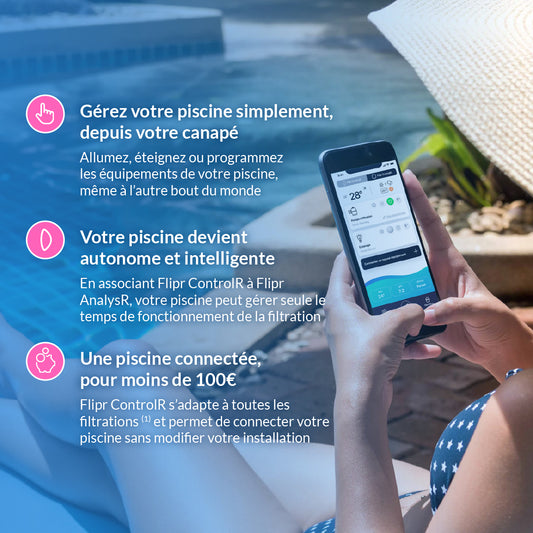
Depth is another crucial aspect when choosing a baby pool. Most baby pools are shallow, typically ranging from 6 to 24 inches. For infants, a pool with a depth of around 6-12 inches is generally safe and manageable. As your child grows, a slightly deeper pool can provide more play opportunities. However, always ensure that the water is low enough to prevent any risk, and never leave your child unattended. A quick tip? Consider using a pool thermometer, like those offered by companies like Flipr, to ensure the water is at a comfortable temperature for your little swimmer.
Capacity and Safety Features
The capacity of a baby pool not only refers to how much water it can hold but also how many tiny humans it can safely accommodate. Smaller pools are usually designed for one child, while medium to large pools can fit several toddlers comfortably. When considering capacity, also think about safety features. Does the pool have inflatable sides that are sturdy enough to lean on? Are there any anti-slip textures on the bottom? These little details can enhance safety and make your pool a hit with kids and parents alike.
Enhancing the Pool Experience
A baby pool is more than just a place to cool off; it's a mini adventure zone. To make the most of it, think about adding some fun accessories. Inflatable toys, water-safe balls, and even small slides can transform a simple pool day into an exciting event. And for the parents, consider a small umbrella or sunshade to protect both you and your child from the sun’s rays. Remember, safety and sunscreen go hand in hand. And for the tech-savvy parent, checking water quality is now easier than ever with solutions like Flipr, ensuring your pool water is always pristine without the hassle.
Conclusion
In the quest for the perfect baby pool, the size and capacity are key components to consider. Whether you’re setting up a cozy splash zone on a balcony or turning your backyard into a mini water park, the right pool can provide endless summer fun. Keep safety and comfort at the forefront, and don’t forget those all-important splashes of joy—literally and figuratively. So dive into the options, and let your little one enjoy the wonders of water play!