Imagine diving into a pool that's not only refreshing but also environmentally friendly. Natural pools are gaining popularity as they offer a sustainable alternative to traditional chemical-laden swimming pools. But what makes a natural pool sustainable, and how can you ensure yours stays that way? Dive in as we explore the best practices for maintaining a sustainable natural pool.

Understanding Natural Pools
Natural pools, unlike their chlorinated counterparts, rely on natural processes and biological filtration to maintain water clarity and quality. They mimic the self-cleaning ecosystems of ponds and lakes, utilizing plants and microorganisms to keep the water clean. But what makes a natural pool truly sustainable? It's all about minimizing environmental impact and maximizing efficiency, from water usage to energy consumption.
- Use of aquatic plants for filtration and oxygenation
- Energy-efficient pumps and filtration systems
- Rainwater harvesting for water replenishment
- Solar heating to reduce energy consumption
- Regular monitoring and maintenance to prevent algae growth
The Role of Aquatic Plants
Aquatic plants act as the unsung heroes of natural pools. They not only enhance the aesthetic appeal but also play a crucial role in water filtration. These plants absorb nutrients that would otherwise fuel algae growth, keeping your pool crystal clear. A mix of submerged, floating, and marginal plants can create a balanced ecosystem. Want a tip? Consider native plant species that require less maintenance and adapt better to your local climate.
Efficient Water Management
Water conservation is a cornerstone of sustainability. Natural pools offer an excellent opportunity to practice efficient water management. By utilizing rainwater harvesting systems, you can reduce the reliance on municipal water supplies. What's more, natural pools generally require less frequent water refills compared to traditional pools, thanks to their natural filtration processes. Have you ever thought about how much water you could save with just a few simple adjustments?
Energy-Saving Techniques
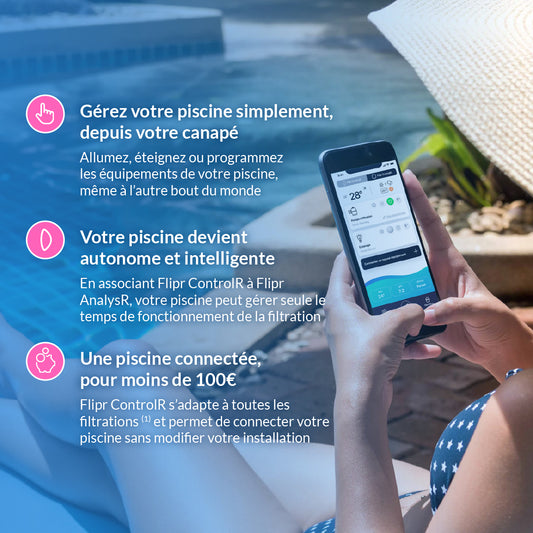
Energy consumption is another critical factor in maintaining a sustainable pool. Incorporating solar heating can significantly reduce energy bills while keeping your pool at a comfortable temperature. Additionally, choosing energy-efficient pumps and filtration systems can further decrease your carbon footprint. Tools like Flipr can offer insights into your pool's energy usage, providing data-driven recommendations for improvements without feeling like a chore.
Conclusion
Sustainability in natural pools isn't just a trend—it's a commitment to preserving our environment while enjoying the luxuries of modern living. By integrating aquatic plants, managing water efficiently, and employing energy-saving techniques, you can maintain a pool that's as kind to the planet as it is to you. So, the next time you take a dip, rest easy knowing you're making a splash in the world of sustainability.