Ever taken a dip in the pool and come out feeling like you've just wrestled with a cactus? You're not alone. Skin irritation from high pH levels in pool water is a common issue that can turn a refreshing swim into an itchy nightmare. But fear not, understanding the causes and solutions can help keep your skin happy and your pool time enjoyable.

What Causes High pH Levels in Pools?
High pH levels in your pool can be a sneaky saboteur. Typically, the ideal pH range for pool water is between 7.2 and 7.8. When the pH climbs above this, you might start to notice some unwanted side effects. But what exactly causes these pH levels to rise? Some common culprits include rainwater, pool chemicals, and even the swimmers themselves. Yes, that's right—your beloved sunscreen and sweat can contribute to the problem. When these factors combine, they push the pH levels up, leading to skin irritation.
- Rainwater: Can dilute and disrupt the chemical balance.
- Pool Chemicals: Overuse or incorrect use can spike pH levels.
- Swimmers: Sweat, oils, and personal care products can alter the pool's chemistry.
How Does High pH Lead to Skin Irritation?
When the pH levels in your pool soar, the water becomes more alkaline. This imbalance can strip away the natural oils from your skin, leaving it dry and irritable. Imagine your skin's natural barrier as a warrior shield; high pH levels weaken this shield, making your skin more susceptible to irritation. This can result in redness, itching, and in severe cases, even rashes. So, the next time you're tempted to blame your pool woes on chlorine alone, remember that high pH might just be the real villain in disguise.
How to Maintain Optimal pH Levels in Your Pool
Maintaining the right pH balance in your pool is like keeping a plant alive: it requires regular attention and care but is totally worth it. To keep your pool water sparkling and your skin happy, regularly test the pH levels using a reliable test kit. Aim for that sweet spot between 7.2 and 7.8. If you find your pool's pH is too high, adding a pH reducer, like muriatic acid, can help bring it back to a safe range. Remember, moderation is key—more isn't always merrier when it comes to pool chemicals.
Tools and Tips for Managing pH Levels
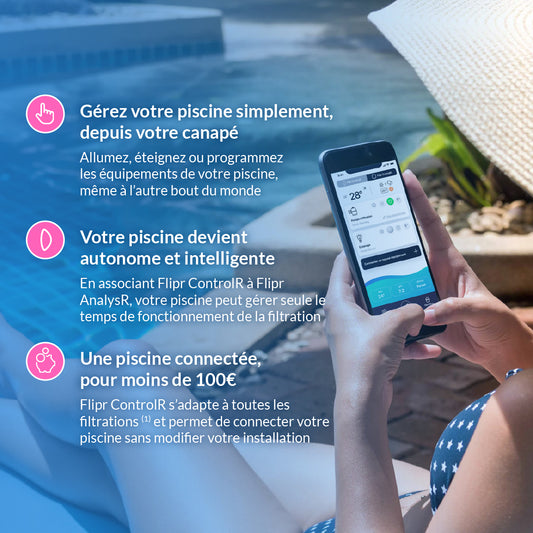
There are plenty of tools available to help you manage pool pH levels efficiently. Consider using an automatic pool monitoring system like Flipr, which provides continuous updates and alerts about your pool's chemical balance. It's like having a personal assistant who never takes a day off. Additionally, try to limit the amount of rainwater that enters your pool and remind swimmers to rinse off before diving in. These small steps can make a big difference in maintaining the perfect pH balance.
Conclusion
Swimming should be a pleasure, not a punishment. Understanding and managing high pH levels in your pool can save your skin from unnecessary irritation. By keeping an eye on the factors that contribute to high pH and using the right tools to maintain balance, you can ensure your pool remains a source of fun and relaxation. So, dive in with confidence and leave the cactus wrestling to the professionals!